
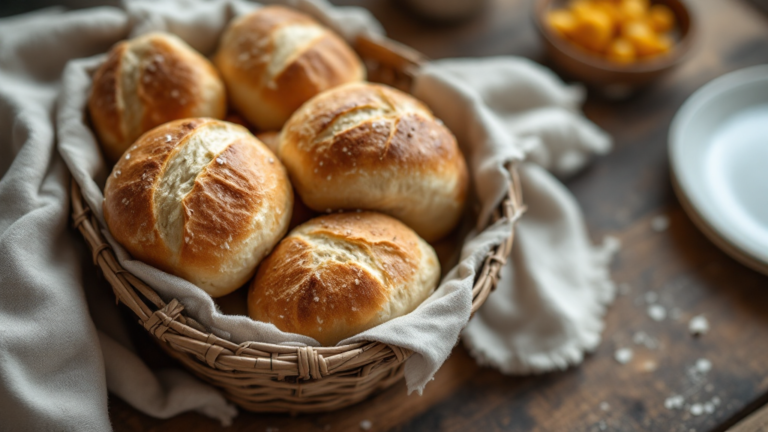
Why Homemade Pesto Rolls are a Game-Changer
If you’re seeking a crowd-pleasing bake that instantly elevates any meal, look no further than twisted pesto rolls with tomato and mozzarella. Unlike store-bought options, homemade pesto rolls offer a burst of fresh flavors, a pillowy-soft texture, and a signature twist that makes every bite unforgettable. There’s a certain magic in the process—kneading dough, spreading vibrant green pesto, and watching golden, cheesy swirls emerge from your oven.
Homemade pesto rolls are more than just another bread snack. They are a creative canvas for your kitchen skills and a surefire way to impress family and friends. The combination of fresh basil pesto, juicy tomatoes, and gooey mozzarella tucked inside a beautifully twisted dough delivers a sensory experience that outshines any ordinary bread roll or pizza bite.
What truly makes these rolls a game-changer is their versatility. Serve them as a savory breakfast, a lunchbox star, or a stunning side dish for dinner parties. Kids devour them, adults rave about them, and even the pickiest eaters are swayed by their irresistible aroma and flavor. Plus, making them from scratch means you control the ingredients—tailoring taste, texture, and nutrition to your liking.
- Flavor Explosion: The fresh pesto melds with melted mozzarella and sweet tomato in every bite.
- Customization: Easily tweak ingredients for dietary needs or creative flair.
- Impressive Presentation: The twisted shape and colorful swirls make them a visual treat.
If you’ve never baked your own pesto rolls, now is the perfect time. The satisfaction of pulling apart a warm, cheesy, basil-infused roll is a reward in itself.
Choosing the Right Ingredients: Freshness Matters
The secret to truly outstanding twisted pesto rolls lies in the quality and freshness of your ingredients. Since each component stands out—especially when the flavors are so simple—using the best you can find is absolutely vital. Let’s break down what to look for with each core ingredient:
- Basil: Fresh basil leaves are non-negotiable. Avoid wilted or yellowing leaves; their flavor won’t pop as brightly in your pesto.
- Pine Nuts: Toast them lightly for extra depth, but make sure they’re not rancid. The aroma should be nutty, not musty.
- Olive Oil: Choose a good-quality extra virgin olive oil, preferably cold-pressed for a fruity, grassy note.
- Mozzarella: Go for a whole-milk mozzarella rather than pre-shredded, which often contains anti-caking agents that prevent optimal melting.
- Tomatoes: Use ripe, firm tomatoes—cherry or plum varieties bring sweetness and moisture control. Avoid overripe ones, which release too much liquid and can make the rolls soggy.
- Flour: Bread flour produces a chewier, airier dough, but all-purpose flour works in a pinch.
- Yeast: Active dry yeast or instant yeast both work. Just ensure it’s within its expiration date for a good rise.
Pro tip: When in doubt, taste your ingredients before you use them. This is especially true for olive oil and nuts, whose subtle off-flavors can compromise your entire batch.
Freshness isn’t just about flavor—it’s also about texture and appearance. The vibrant green of homemade pesto and the creamy pull of mozzarella are visual cues that invite everyone to dig in. Investing in fresh, high-quality ingredients may cost a bit more, but the payoff in taste and nutrition is well worth it.
Step-by-Step Guide: Rolling the Perfect Dough
Mastering the dough is essential for achieving the light, fluffy structure that makes pesto rolls so irresistible. The process might look intricate, but it’s surprisingly approachable, even for novice bakers. Here’s a detailed, foolproof guide to rolling the perfect dough for your twisted pesto rolls with tomato and mozzarella:
-
Mixing and Kneading:
- Start with lukewarm water (about 105°F/40°C) to activate your yeast.
- Add a pinch of sugar to help the yeast bloom, then stir in your flour, salt, and a drizzle of olive oil.
- Knead the dough for 8-10 minutes until it’s smooth and elastic, resisting the urge to add too much extra flour.
-
First Rise:
- Place the dough in a lightly oiled bowl, cover with a clean towel, and let it rise in a warm spot until doubled in size (usually 1-2 hours).
-
Shaping and Filling:
- Roll out the dough on a lightly floured surface to a rectangle—aim for about 1/4 inch thickness.
- Spread a generous layer of homemade pesto, sprinkle over diced tomatoes and mozzarella, leaving a small border around the edges.
-
Twisting:
- Roll the dough tightly from the long side into a log. Use a sharp knife to slice the log lengthwise, exposing the layers.
- Twist the two halves together with the cut sides facing outward to create a spiral effect. Shape into rolls or a single twisted loaf.
-
Final Proof and Baking:
- Let the shaped rolls rest on a parchment-lined tray for 30-45 minutes for a final rise. Bake at 375°F (190°C) for 20-25 minutes, or until golden brown and bubbling.
Common mistake: Overfilling with pesto or cheese may cause leaks. Less is more—spread evenly and don’t overload!
With practice and patience, you’ll soon find your rhythm and develop your signature twist technique. The aroma of baking rolls filled with pesto, tomato, and mozzarella will soon become a kitchen tradition.
Creative Variations: From Classic to Spicy
One of the best aspects of twisted pesto rolls with tomato and mozzarella is their adaptability. Once you’ve mastered the basic recipe, you can tweak flavors and fillings to reflect your own culinary style or accommodate dietary needs. Here are some inventive variations to inspire your next bake:
- Classic Pesto: Stick with basil, pine nuts, and Parmesan for a traditional Genovese flavor profile. This is a crowd-pleaser that works with any meal.
- Spicy Kick: Add a handful of chopped sun-dried tomatoes, a pinch of red pepper flakes, or even thinly sliced jalapeños to your filling for a gentle heat.
- Green Dream: Swap in spinach, kale, or arugula for part of the basil in your pesto. These greens add earthy undertones and a nutritional boost.
- Cheese Lovers: Mix in shredded provolone, fontina, or even goat cheese for a more robust and complex melt.
- Vegan Version: Use vegan mozzarella and a cashew-based pesto for a dairy-free twist. Nutritional yeast adds cheesy depth.
- Nut-Free Option: Substitute roasted pumpkin seeds or sunflower seeds for pine nuts in the pesto if allergies are a concern.
- Herb Explosion: Add fresh oregano, thyme, or chives to the pesto for extra aroma and taste nuances.
Pro tip: Brush the finished rolls with a little garlic-infused olive oil right after baking for an aromatic finish and glossy appearance.
Let your creativity shine! Each batch is an opportunity to experiment and discover new favorite combinations. Whether you prefer the classic trio of basil, tomato, and mozzarella or a bold, spicy variation, these rolls will never taste boring.
Health Benefits: Light, Satisfying, and Nutritious
Twisted pesto rolls with tomato and mozzarella aren’t just a treat for the senses—they also deliver a host of nutritional benefits. Unlike heavy, processed snacks, these homemade rolls can be a lighter, more wholesome option with the right ingredient choices.
- Fresh Basil: Packed with antioxidants, vitamin K, and anti-inflammatory properties, basil is more than just a flavor booster.
- Tomatoes: Rich in vitamin C, lycopene, and potassium, tomatoes promote heart health and help fight free radicals.
- Mozzarella: Provides a good source of protein and calcium. Choosing part-skim or fresh mozzarella helps keep the fat content in check without sacrificing taste.
- Olive Oil: The monounsaturated fats in olive oil support cardiovascular health and add a satisfying richness to your rolls.
- Homemade Dough: Making your own dough allows you to use whole grain flours or reduce sodium for an even healthier profile.
Another benefit is portion control. Because these rolls are individually sized, it’s easier to enjoy a serving without overindulging. Plus, the fiber from tomatoes and possible whole grain flour promotes satiety, making these rolls filling yet light.
Lesser-known fact: Pine nuts are high in magnesium and iron—a nutritional perk not found in most bread snacks.
For those watching their diet, you can easily adapt the recipe: use less cheese, swap in a lighter oil, or add more veggies. Each bite bursts with flavor and nutrition, making these pesto rolls a smart addition to any meal plan.
Serving Ideas: Beyond the Snack Table
While twisted pesto rolls with tomato and mozzarella are perfect for snacking, their potential goes far beyond that. Their vibrant flavors and visual appeal make them a versatile addition to all sorts of occasions. Here are some clever serving ideas to maximize their impact:
- Appetizer Platter: Arrange warm rolls on a wooden board with a selection of dips—think herbed yogurt, balsamic glaze, or roasted red pepper hummus.
- Brunch Centerpiece: Serve alongside scrambled eggs, smoked salmon, or a fresh fruit salad for a brunch that feels both elegant and comforting.
- Soup Companion: The rolls’ cheesy, herby goodness pairs beautifully with tomato basil soup, minestrone, or a simple vegetable broth.
- Main Course Side: Offer as a side to roast chicken, grilled fish, or a vibrant salad for a balanced meal.
- Lunchbox Hero: Kids and adults alike love these rolls as a portable, mess-free lunch. Pack with veggies and a piece of fruit for a balanced midday meal.
- Party Favor: Bake mini versions, wrap in parchment, and tie with twine for a memorable party favor or gift.
Pro tip: For a show-stopping brunch, try making a large twisted loaf version of these rolls for easy slicing and sharing.
If you’re seeking more inspiration for creative appetizers, check out other flavorful ideas in posts like Caprese Skewers with Fresh Tomato, Basil & Mozzarella for a harmonious Italian-themed spread.
Ultimately, these rolls are a blank slate for your culinary imagination—equally at home at a picnic, dinner party, or cozy night in.
Storage Tips for Lasting Freshness
Once you’ve baked a batch of twisted pesto rolls with tomato and mozzarella, you’ll want to keep them as fresh and flavorful as possible. Proper storage is key to preserving their soft texture and bold taste. Here’s how to maximize their shelf life:
- Cool Completely: Allow the rolls to cool fully before storing. Trapping steam leads to sogginess and spoilage.
- Airtight Container: Store rolls in an airtight container at room temperature for up to two days. Add a sheet of parchment between layers to prevent sticking.
- Refrigeration: If you need to keep them longer, refrigerate in a well-sealed container. Reheat briefly in the oven or toaster oven to restore softness before serving.
- Freezing: For longer-term storage, wrap each roll tightly in plastic wrap, then place in a freezer bag. They’ll keep for up to two months. Thaw overnight in the fridge and rewarm before eating.
- Refresh in the Oven: To revive slightly stale rolls, sprinkle with a few drops of water and reheat at 350°F (175°C) for 5-8 minutes.
Common mistake: Storing warm rolls in a closed container creates condensation, which quickly ruins their texture. Always let them cool first!
If you’re prepping for a party, you can even assemble the rolls up to the final rise, refrigerate overnight, and bake fresh the next day. This not only saves time but ensures the ultimate flavor and texture on demand.
With these storage tips, you’ll never have to worry about dry, stale, or soggy pesto rolls. Instead, enjoy each roll at its best—whether fresh from the oven or days later.