
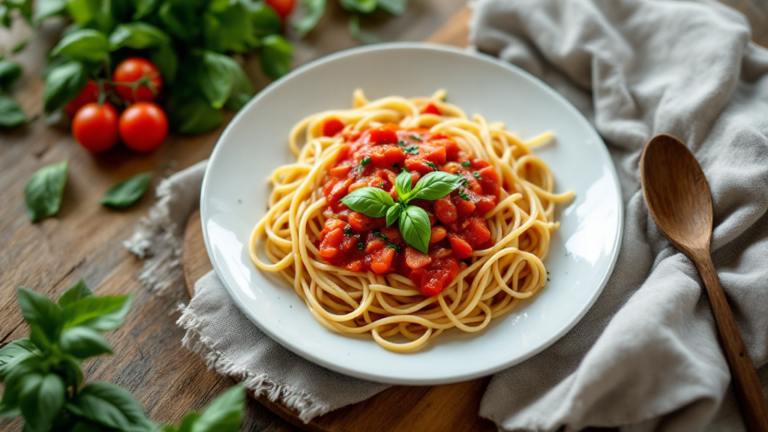
Why Broccoli Deserves a Spot in Your Pasta
Broccoli has long been celebrated as a nutritional powerhouse and, when paired with pasta, it can transform an ordinary dish into a vibrant, health-boosting meal. But what makes broccoli such a standout ingredient for your next bowl of noodles? First and foremost, broccoli is loaded with vitamins C and K, offering immune support and bone health in every bite. Its unique combination of fiber and antioxidants also works wonders for digestion and overall wellness, making it an ideal option for those wanting to add more greens to their diet without sacrificing flavor or satisfaction.
When incorporated into pasta, broccoli brings a pleasant crunch and earthy flavor that can completely change the character of classic recipes. It stands up well to both creamy and olive oil-based sauces, offering a contrast to silky noodles and rich dressings. Plus, its ability to soak up surrounding flavors means you get a harmonious blend of tastes with every forkful. For those who crave versatility, broccoli ticks every box—it can be roasted, sautéed, steamed, or even blended into a creamy sauce.
There’s also a sustainability angle: Broccoli’s low water requirements and robust yield make it one of the more environmentally friendly vegetables to grow. Choosing broccoli pasta is a small yet impactful way to eat greener, literally and figuratively. If you’re searching for an easy way to power up your meals, broccoli pasta is the gateway to green goodness that your body and taste buds will thank you for.
Choosing the Best Pasta for Nutrient-Packed Meals
The right pasta can take your broccoli pasta from good to unforgettable. While traditional white pasta is a common choice, there are a multitude of healthier, nutrient-packed options that can further elevate your dish. Whole wheat pasta, for instance, offers a nutty flavor and a boost of fiber and B vitamins. If you’re aiming for maximum nutrition, consider pastas made from legumes like chickpeas or lentils—they’re protein-rich and have a delightful, chewy texture that stands up well to chunky broccoli florets.
Don’t overlook the shape of your pasta, either. Certain shapes hold onto broccoli and sauce better than others. Fusilli, penne, and orecchiette are all excellent choices, as their grooves and curves catch bits of broccoli and herbs, ensuring a burst of flavor in every bite. For a more refined presentation, spaghetti or tagliatelle works beautifully when tossed with finely chopped or puréed broccoli.
Pro tip: If you’re cooking for those with gluten sensitivities, gluten-free brown rice or corn pasta can work wonders. The key is to slightly undercook these alternatives, as they tend to become mushy if left in boiling water too long. Ultimately, the best pasta for your broccoli dish is the one that aligns with your nutritional goals and supports your desired texture and flavor profile.
Flavor Boosters: Herbs, Spices, and Fresh Ingredients
Broccoli pasta doesn’t have to be bland—far from it. The secret to transforming a simple green and noodle combo into a restaurant-worthy meal lies in your choice of flavor boosters. Start with aromatics like garlic and shallots, gently sautéed in olive oil to create a savory base. Add a pinch of chili flakes for subtle heat, or go bold with a sprinkle of smoked paprika for a touch of earthy depth.
Fresh herbs are your best friends in this kitchen adventure. Parsley, basil, and mint add brightness, while thyme or rosemary bring a piney, comforting essence. Don’t forget a generous squeeze of lemon juice or a bit of zest—the acidity not only balances the flavors but also helps the broccoli maintain its vivid green hue. For a creamy twist, swirl in a spoonful of ricotta or a handful of grated Parmesan right at the end.
Common mistake: Overcrowding the pan when sautéing aromatics can lead to steaming rather than browning. Give your flavors room to develop, and layer your seasonings as you cook, tasting often. For a final flourish, top your broccoli pasta with toasted nuts—almonds or pine nuts add crunch—and freshly cracked black pepper for a satisfying finish.
Creative Add-Ins: Proteins and Plant-Based Options
Broccoli pasta is a blank canvas for creative cooks looking to pack in extra nutrition and flavor. For those who crave traditional proteins, grilled chicken, shrimp, or even crispy pancetta can provide a savory, satisfying counterpoint to the vegetable’s freshness. Sautéed sausage slices also work well, especially when paired with garlic and a hint of fennel seed.
If you’re going plant-based, don’t feel limited. Chickpeas or cannellini beans blend seamlessly with broccoli and pasta, offering creaminess and heartiness. Crumbled tofu can be sautéed with herbs and spices, becoming a protein-filled topping. For a textural twist, try roasted chickpeas or lentils for crunch and extra fiber. Sun-dried tomatoes, olives, and marinated artichokes are other unconventional but delicious additions that can elevate your broccoli pasta into a Mediterranean-inspired feast.
Pro tip: Add your proteins at the right stage of cooking. For meats, brown them first and set aside, then fold them in at the end to keep them tender. For beans or tofu, toss them in with the broccoli to absorb the flavors of the sauce. The key is balance—let the broccoli remain the star, using proteins and plant-based options as harmonious sidekicks rather than overwhelming leads.
Simple Steps for Perfectly Cooked Broccoli Pasta
Nailing the texture of both your pasta and broccoli is crucial for the best eating experience. Start by bringing a large pot of salted water to a rolling boil—this is essential not just for flavoring the pasta, but also for helping the broccoli retain its vibrant color. Add your pasta and set a timer for two minutes less than the package directions. At this point, toss in bite-sized broccoli florets directly into the pot. This shared cooking bath allows the broccoli to absorb some of the starchy pasta water, making it more flavorful and less likely to become mushy.
Once the pasta is al dente and the broccoli is just tender but still bright green, reserve a cup of the cooking water before draining. This liquid gold can be used to loosen your sauce and help everything cling together. In a large skillet, sauté your chosen aromatics and toss the drained pasta and broccoli in, adding a splash of reserved water as needed for creaminess. Finish with your favorite herbs, cheese, or protein add-ins, and serve immediately.
Lesser-known fact: Blanching the broccoli in pasta water not only saves time and dishes, but the vegetable’s nutrients leach into the water and are re-absorbed by the pasta, subtly boosting its nutritional value. For extra flavor depth, consider roasting the broccoli first for a caramelized, nutty result before tossing with the pasta.
Kid-Friendly Tips for Encouraging Healthy Eating
Getting kids excited about green vegetables can feel like a culinary Everest, but broccoli pasta offers a playful, approachable way to introduce healthy habits. The key is making the dish vibrant, interactive, and delicious. Try cutting broccoli into small, “tree” shapes and letting children add them to the pot themselves—turning mealtime into an engaging, hands-on activity can go a long way toward reducing mealtime resistance.
Cheese is a powerful ally. A light sprinkle of mozzarella or cheddar over hot pasta creates a gooey, irresistible texture. For extra fun, allow kids to choose their own toppings, such as cherry tomatoes, sweet corn, or crunchy sunflower seeds. If texture is an issue, blend some of the broccoli into a smooth, creamy sauce and mix it with the pasta for a “secret vegetable” boost.
Common mistake: Forcing kids to eat their veggies often backfires. Instead, empower them with choices and celebrate small victories. Over time, positive associations with fun, tasty broccoli pasta will help build lifelong healthy eating habits. For more strategies on making vegetables appealing to children, check out our post on kid-friendly vegetable meals.
Smart Storage and Leftover Ideas
Broccoli pasta is as convenient for meal-preppers as it is for weeknight cooks, but maximizing its freshness requires a few smart moves. Store leftovers in an airtight container in the fridge, ideally within two hours of cooking. To prevent soggy pasta, drizzle with a little extra olive oil before sealing, which helps keep the noodles from sticking together and locks in moisture.
When you’re ready to reheat, add a splash of water or broth and warm gently on the stove or in the microwave, stirring occasionally to redistribute the sauce. If you have leftover plain pasta and broccoli, use them as a base for a quick frittata or bake them into a cheesy casserole with a breadcrumb topping for added crunch. Cold broccoli pasta also makes a fantastic salad—toss with a zesty vinaigrette, cherry tomatoes, and feta cheese for a refreshing lunch.
Lesser-known fact: Broccoli pasta freezes surprisingly well, especially if you undercook the pasta slightly before freezing. Portion into single servings, wrap tightly, and thaw overnight in the fridge for best results. This way, you always have a healthy, green meal ready at a moment’s notice.
Pairing Suggestions: Salads, Breads, and More
Broccoli pasta is a satisfying meal on its own, but the right pairings can turn dinner into a true feast. Start with a crisp, refreshing salad—think arugula with lemon vinaigrette or a classic Caesar with homemade croutons. The bitterness of leafy greens balances the richness of pasta beautifully, making each bite feel lighter and more nuanced.
For bread lovers, nothing beats a slice of warm, crusty sourdough or a chewy focaccia. Garlic bread, naturally, is always a crowd-pleaser and can be easily customized with a sprinkle of parsley or a dusting of Parmesan. If you’re looking to keep things extra healthy, try serving your broccoli pasta with a side of roasted vegetables such as carrots, bell peppers, or cauliflower for color and variety.
Beverage pairings matter, too. A sparkling water with lemon, herbal iced tea, or even a light white wine can complement the green goodness of your broccoli pasta. For more ideas on crafting a balanced meal with pasta as the centerpiece, see our guide on healthy pasta dinner ideas.